Academic-Industry Consortium
Revitalizing Rivers with Nanobubble Technology
The Initiative
Bridging the Gap in Water Quality
The Academic–Industry Consortium is a collaborative initiative established to advance research, field validation, and large-scale deployment of nanobubble-based solutions. Formed under a formal Memorandum of Understanding, the consortium brings together leading academic institutions and industry expertise to address persistent water quality challenges.
"The consortium was created to bridge the gap between infrastructure compliance and actual improvement in river and drain health."
Despite significant investments in sewage treatment systems, many water bodies continue to experience dissolved oxygen depletion and ecological stress. Our focus is on in-situ and post-treatment solutionsthat directly enhance water quality within the receiving water bodies themselves.
Project Lifecycle
Research Design
Pilot Implementation
Field Deployment
Monitoring & Validation
Documentation & Scale-up
Outcome Focused
We offer governments and stakeholders a credible pathway for piloting innovative technologies and advancing long-term rejuvenation programs.
Purpose & Scope
Establishing an academic–industry consortium to collaborate on research, pilot implementation, field deployment, validation, and scale-up of nanobubble-based solutions.
The Consortium also undertakes carbon credit assessment, validation, and monetization support.
Strategic Objectives
Quality Compliance
Achieving statutory and performance-based treated water quality compliance.
Pollutant Reduction
Reduction of BOD, COD, TSS, nutrients, pathogens, and odor.
Climate Alignment
Methane and nitrous oxide reduction aligned with climate commitments.
Scalable Solutions
Deployment of affordable, scalable, low-energy, and modular solutions.
Data Generation
Generation of regulatory-grade monitoring data and peer-reviewed documentation.
Advanced Solutions
Two-Stage In-Situ Treatment
Nanobubble Oxygenation
Injects billions of gas nanobubbles into the water column with high surface area and low rise velocity.
- Rapid Dissolved Oxygen (DO) uplift
- Supports aerobic biodegradation
- Low energy consumption
FBG Biofilm Modules
Facultative Bacteria Generator (FBG) modules provide a surface for attached-growth biofilms.
- High surface-area for biofilm attachment
- Provides anoxic conditions to denitrify
- Resilience to hydraulic shock loads
Our Consortium Partners
Nanobubbles Tech Pvt. Ltd.
Technology Provider / Nodal Agency
University of Cincinnati
Academic Partner: Research & Development
NextGen Septic, LLC (USA)
Technology Partner: Technology Provider
INRM Consultants Pvt. Ltd.
Consultancy: Hydrology & Data
IIT Delhi
Academic Partner: Research & Technical Support
IIT Ropar
Academic Partner: Application & Monitoring
IIT (BHU), Varanasi
Academic Partner: Research & Validation
Field Investigation
Punjab Site Pre-Survey
The assessment evaluates the technical feasibility of Nanobubbles-based in-stream oxygen enhancement. Ghaggar River and Kali Bein are recommended as Priority-I pilot sites.
Sites Visited:
Consortium Members
Site Highlights
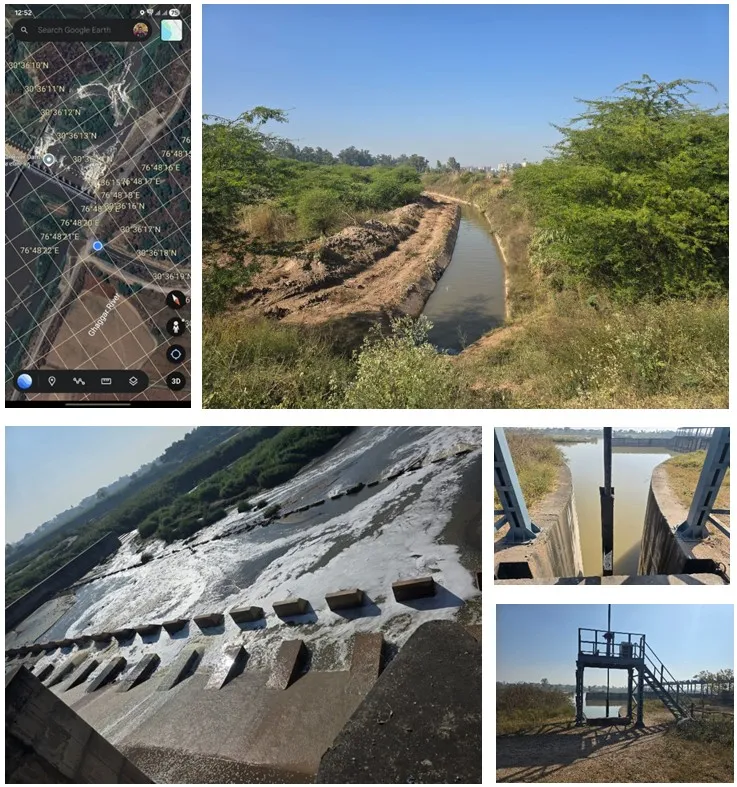
Chhatbir Barrage
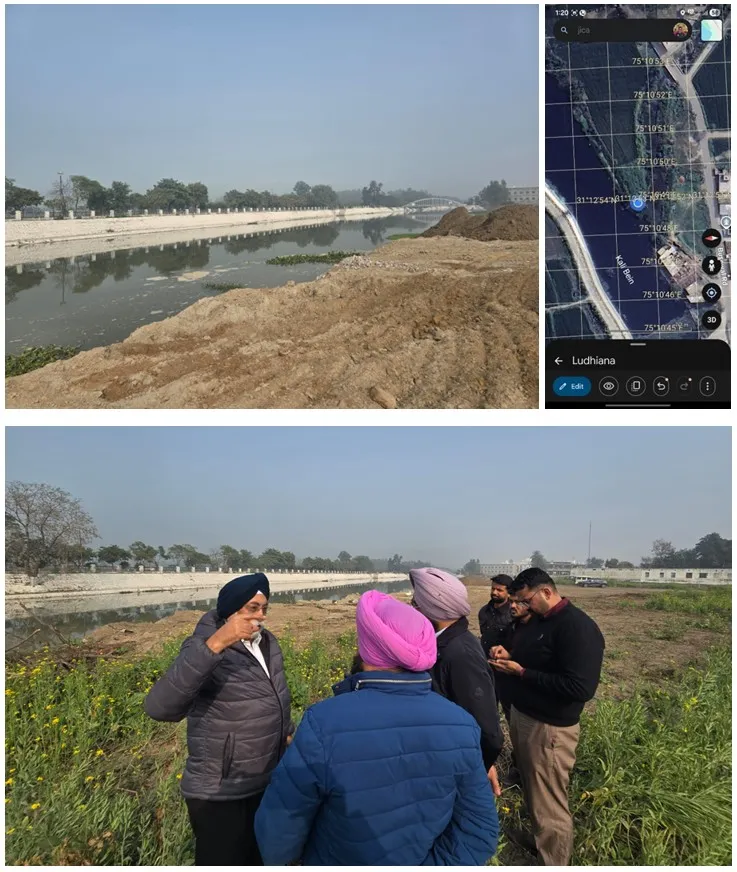
Kali Bein River (Sultanpur Lodhi)
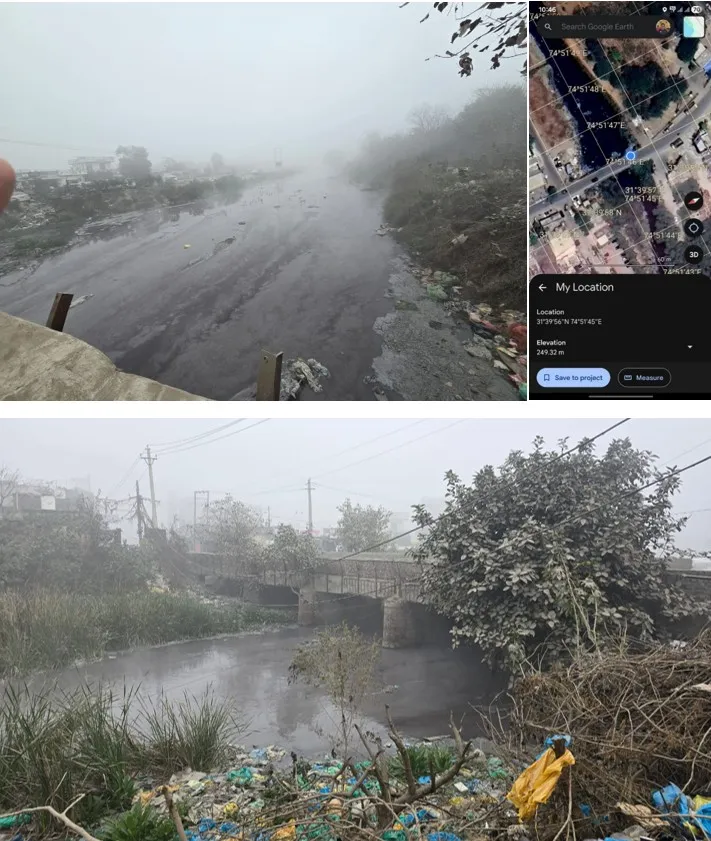
Tung Dhab Drain (Amritsar)
Process Flow
Regulatory
Interested in Joining the Consortium?
Connect with us to explore collaborative research, pilot validation, and large-scale deployment of innovative nanobubble solutions.
Connect with Us